
When someone is exploring hair pieces, the choice between a hair topper and a full wig isn’t just about coverage. It’s a decision about comfort, style, lifestyle, and how natural the result will feel.
At Custom Hair Company, with our extensive experience and expertise, we’ve helped many clients navigate this decision and refined what works best, whether for different stages of hair loss or for brides who want volume, elegance, and longevity in their wedding hair.
A hair topper is a partial piece designed to clip into your existing hair, specifically targeting areas like the crown, part line, or other thinning sections. Because it blends with your natural hair, it adds volume and coverage where it’s needed without completely replacing what you already have.
This makes it lighter, more breathable, and often more comfortable for all-day wear. At Custom Hair Company, we’ve seen many customers choose human hair toppers for their ability to be styled (coloured, curled, straightened) just like natural hair, which gives them real flexibility.
Human hair toppers also provide a more natural look and feel, making them a popular choice among our clients.
A full wig, on the other hand, covers the entire scalp, offering total transformation. It’s ideal when natural hair is very thin, absent, or when someone wants complete styling control over partings, colour, length, and density.
Wigs allow stylists to pre-style looks and provide more dramatic changes. However, they also tend to be heavier, warmer, and require more maintenance to ensure a natural-looking hairline and a proper fit.
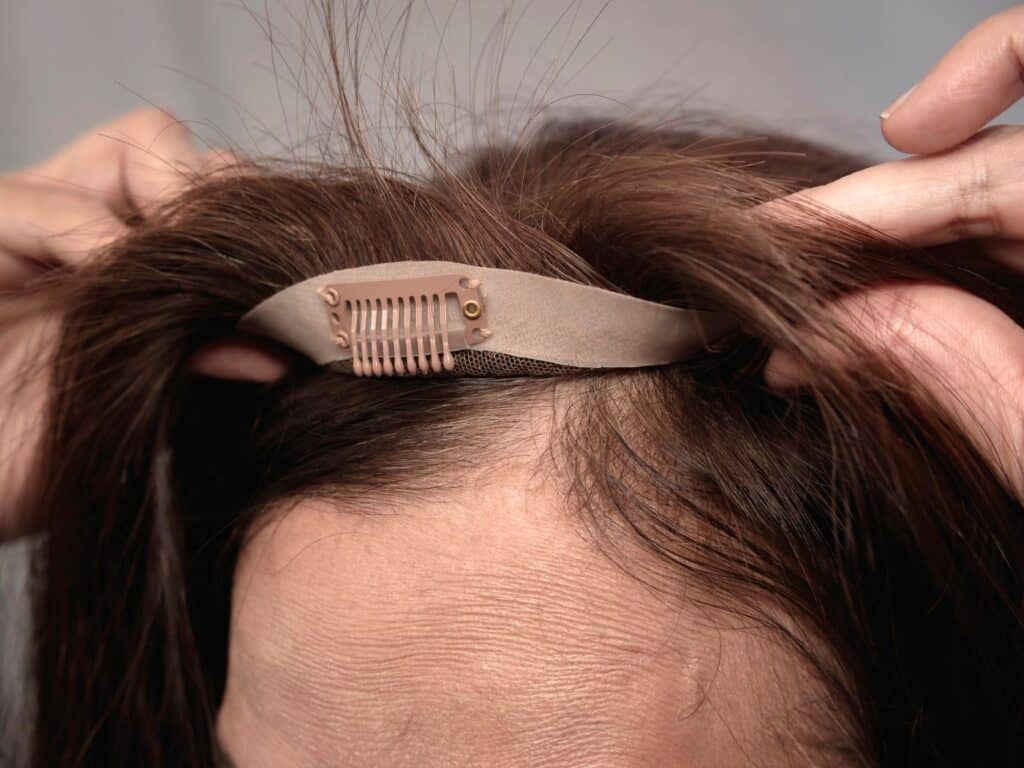
At Custom Hair Company, we believe a well-chosen hair topper should feel as undetectable as possible. One of the first steps is measuring the thinning or coverage area carefully. The base needs to be large enough to clip onto healthy hair beyond that zone, so the attachment isn’t under constant tension.
The base material matters greatly: lace bases are more breathable and light, mono bases are durable and hold more hair, and skin bases give a very natural scalp illusion but may be less comfortable if you’re active.
Colour and density matching are crucial. If the topper is much denser than your natural hair, it will look overly bulky; if it’s too thin, it won’t provide enough coverage. Daylight is the best way to assess your natural tone and undertones for a seamless blend.
Attachments need to be secure but gentle on the natural hair. Clips or combs should be used carefully, teasing under the clips and securing them with pressure rather than pulling helps avoid damage. See our article on wig terminology to learn more.
For a natural look, especially around the front hairline, placing the topper just behind the natural hairline and blending the fringe or front portions of natural hair can create a smoother transition.
Finally, care is essential: washing a human hair topper every six to eight wears (or about monthly if used daily) with gentle, sulphate-free products, storing it on a stand, and minimising heat exposure will extend its life significantly.

If your natural hair has enough strength, coverage, and health, a topper is often the better choice for comfort, breathability, and natural blending. It gives lift and density without masking your hairline, and it’s less intrusive for daily wear. Toppers, with their natural look and feel, use less material, making them more affordable and lighter to maintain.
A full wig is more appropriate when you need full coverage, want to completely change your hairline, or desire a different parting, style, or density that your natural hair can’t support.
Wigs are more secure in these cases and allow for more dramatic transformations, but they require more care, fitting, and proper base construction to look natural and feel comfortable.
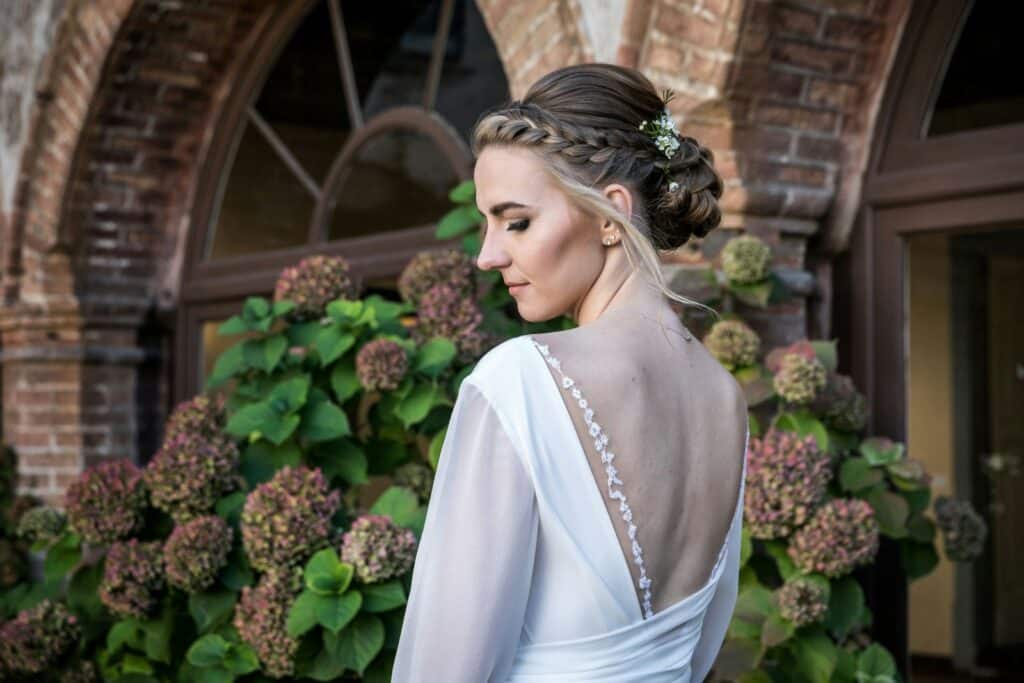
Brides today are increasingly looking to hair pieces as essential tools to achieve romantic, voluminous, picture-perfect bridal styles. Even when natural hair is healthy, many brides want extra body, texture, and longevity that can withstand a full day (from ceremony through reception) and varying conditions, wind, humidity, dancing, and photo lights.
Using toppers or extensions allows stylists to build volume in specific zones, around the crown, part, or even beneath veils, without compromising a natural hairline or making the look feel heavy.
Toppers are especially useful when a bride has fine or flat hair that doesn’t easily hold curl or lift. They can add density exactly where stylist needs it while keeping natural hair at the edges for realism.
Some brides prefer full wigs to pre-style complex updos or full hair transformations, especially when their hair isn’t long or dense enough for dramatic looks. A wig allows complete control over shape, texture, and colour, and when fitted correctly, can be very comfortable and lifelike under bridal accessories like veils, tiaras, and pins.
What we’re seeing more and more in New Zealand is stylists combining natural hair, toppers, and sometimes wigs to tailor a hairstyle that works from natural sunlight to indoor receptions. The goal is always an elegant, soft, textured finish that holds up all day, not something stiff or overdone.
Firstly, plan a trial early. This gives you time to adjust the base style, density, colour match, and integration with hair accessories. If your natural hair can support clips and has enough length around the edges, a topper can provide that extra lift and blend very naturally.
If your hair is thin overall, a wig might offer more security and consistency, especially under heavy veils or in humid NZ conditions.
Comfort matters too. Because weddings often mean long days, you want something breathable and light, if possible. But bridal equipment like tiaras and pins can shift anything, so secure attachment and natural edges are critical.
For fullness and volume, ensure the density is natural, not overly thick or heavy. And choose human hair where possible for styling flexibility and realistic movement. At Custom Hair Company, we prioritise your comfort in every decision.
A hair topper may be the better option when you still have enough healthy natural hair to support the clips and only need coverage around the crown, part line, or another specific area. Toppers are generally lighter, cooler, and easier to blend into your existing hairstyle. A full wig is usually more suitable when hair loss is widespread, the natural hair cannot safely support a topper, or you want complete control over the hairline, colour, length, parting, and overall style.
The right choice depends on the location and extent of your hair loss, the condition of your natural hair, and the level of coverage you need. If thinning is concentrated in one area, a topper may provide a natural and comfortable solution. If your hair is very fine across the entire scalp, absent in some areas, or unable to support clips safely, a full wig may offer better coverage and security. During a consultation, we can assess your hair and recommend the most appropriate option.
A properly fitted hair topper should not damage healthy natural hair when it is attached and removed carefully. The base must extend beyond the thinning area so the clips can fasten to stronger hair. It is also important to avoid pulling the topper too tightly or repeatedly placing clips in exactly the same position. We can show you how to secure and rotate the attachment points to reduce tension on your natural hair.
A well-matched and professionally fitted hair topper can look extremely natural. The colour, density, texture, base size, and placement all need to work with your existing hair. Human hair toppers provide realistic movement and can usually be curled, straightened, and styled to create a seamless finish. Positioning the topper slightly behind the natural hairline can also help preserve a soft and realistic appearance at the front.
Human hair toppers can usually be curled, straightened, and professionally coloured, although the amount of processing they can tolerate depends on the hair quality and its previous treatment. Excessive heat, bleaching, and frequent colouring can shorten the life of the piece. We recommend using a heat protectant, keeping tools at a moderate temperature, and asking an experienced hairpiece specialist before making a significant colour change.
The lifespan of a human hair topper depends on how often it is worn, how it is styled, and how carefully it is maintained. With appropriate care, a high-quality topper may last from several months to more than a year. Regular heat styling, harsh products, frequent washing, and sleeping in the topper can cause it to wear more quickly. Gentle washing, careful storage, and professional maintenance can help extend its usable life.
A human hair topper generally does not need to be washed as often as natural hair because it is not receiving oils directly from the scalp. As a guide, it may be washed after approximately six to eight wears, or around once a month when worn regularly. The ideal schedule will depend on styling products, weather conditions, activity levels, and how often the piece is used. Always use gentle, sulphate-free products and avoid rubbing or twisting the hair.
Yes. Both toppers and full wigs can be used to create natural, secure, and long-lasting bridal hairstyles. A topper is ideal for adding targeted volume around the crown or part while keeping your natural hairline visible. A full wig may be more suitable for a complete transformation or when your natural hair cannot support the desired style. We recommend booking a bridal trial early so the colour, density, attachment, accessories, veil placement, and finished hairstyle can all be tested together.
A professionally fitted hairpiece can remain secure under a veil, tiara, pins, or other bridal accessories. The attachment method needs to be planned around the weight and placement of each accessory. During a bridal trial, the stylist can test how the topper or wig responds to movement and ensure that pins are anchored safely without creating unnecessary pressure or affecting the natural finish.
Full wigs can feel warmer because they cover the entire scalp, while toppers only cover a specific area. However, comfort also depends on the base material, hair density, fit, weather, and length of wear. Lightweight lace and carefully designed cap constructions can improve ventilation. We consider your lifestyle, sensitivity, and comfort needs when helping you choose the most suitable base.
Many people wear hair toppers daily, provided the piece fits correctly and the natural hair underneath remains healthy. It is important to attach and remove the topper gently, rotate clip positions where possible, and give sensitive areas a break if you notice discomfort or tension. Regular maintenance and professional fit checks can help keep both the topper and your natural hair in good condition.
Colour matching should consider more than the main shade. Undertones, highlights, root depth, texture, and the way the colour appears in natural light all affect the final result. We recommend assessing your hair in daylight and matching the piece to the areas that will blend directly with it. In some cases, professional colouring or subtle adjustments may be used to create a more seamless finish.
The cost depends on the type of hair, base construction, size, length, density, colouring, and level of customisation required. Hair toppers may cost less than full wigs because they use less hair and cover a smaller area, but highly customised pieces can vary considerably. A consultation allows us to explain the available options and recommend a solution that suits your needs, lifestyle, and budget.
Yes. We offer both in-studio and online consultations. During an online consultation, we can discuss your hair concerns, coverage needs, lifestyle, preferred style, and suitable hairpiece options. We may also guide you through taking measurements and sharing photographs in appropriate lighting. For complex fittings or precise colour matching, we may recommend an in-studio appointment where possible.
It may be time to consider a replacement when the hair becomes dry or difficult to style, the base stretches or loses its shape, the attachment points weaken, or the piece no longer provides secure and natural-looking coverage. Changes in your hair loss pattern, colour, hairstyle, or comfort requirements may also mean that a different size or construction would be more suitable. We can assess your current piece and advise whether maintenance, refurbishment, or replacement is the best next step.
At Custom Hair Company, we guide clients through every step of the process of choosing the right hairpiece or helping you understand when its time to look at replacement wigs or hair pieces. This includes measuring your thinning or coverage zones, choosing base materials, assessing density and colour matches, to blending with your natural hair or accessories.
We understand New Zealand conditions, hair loss and bridal demands, and we tailor each piece (whether topper or wig) to look natural, stay secure, and feel comfortable all day.
Need some help, talk to us now, we offer both in studio and online consultations. Book your free consultation now.
Phone 07 929 1258

